

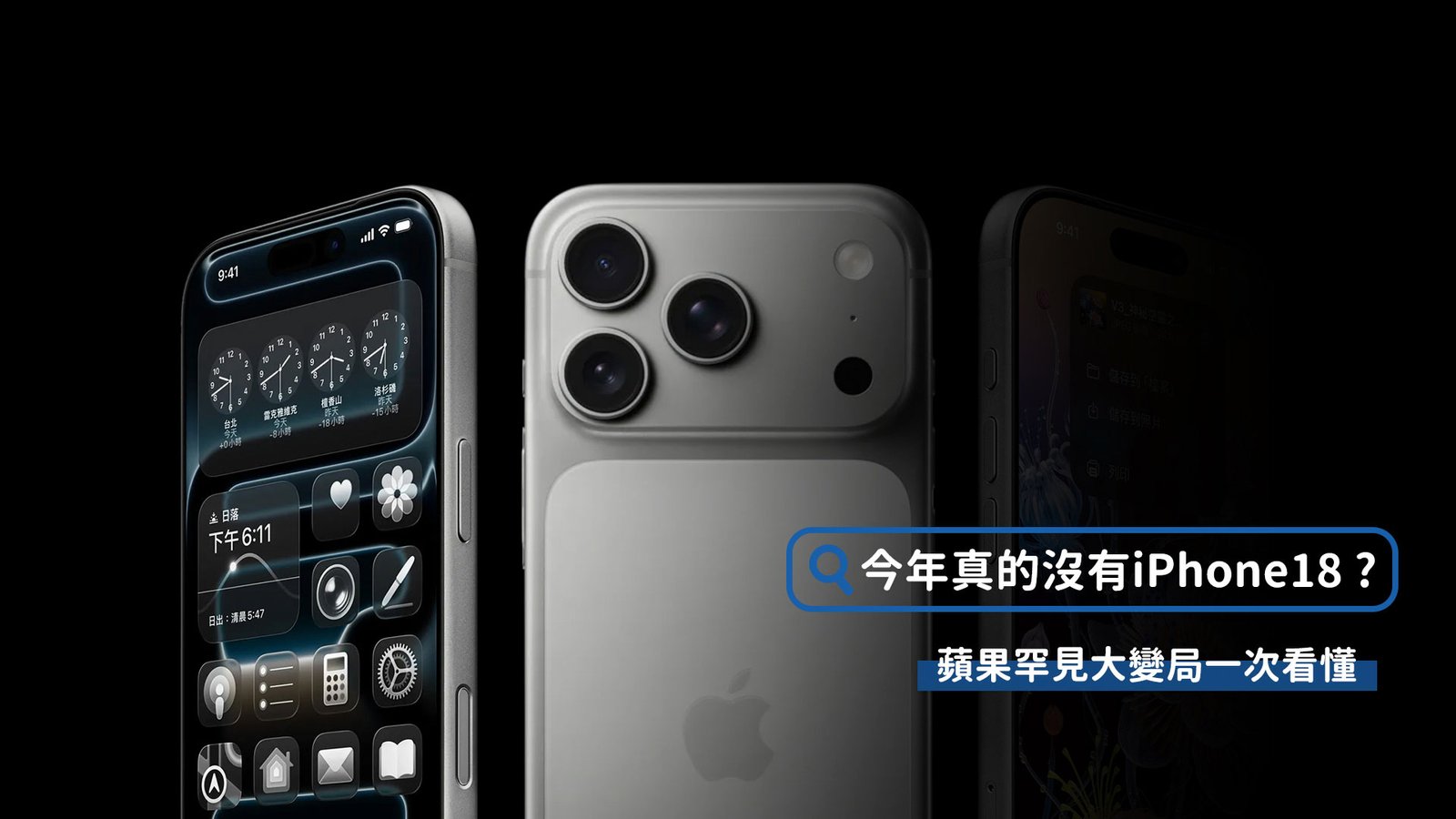
這不是傳聞,而是正在發生的現實:2026 年的蘋果秋季發表會清單上,沒有「標準版」iPhone 18。
自 2011 年以來,全球果粉已經習慣了在 9 月迎接那台「數字加一」的新機,但今年,這場史無前例的「消失事件」,背後並非產能不足,而是蘋果自 iPhone X 以來最激進的一場豪賭。這篇文章將帶你直擊蘋果內部的權力更迭與戰略佈局,看懂為什麼今年你買不到 iPhone 18,以及那個即將取代它、定價更驚人的「新物種」究竟是什麼。
自 2011 年 iPhone 4s 以來,蘋果始終維持著「每年 9 月,全系列同時更新」的節奏。然而,根據最新的供應鏈情報與分析師預測,2026 年的發布節奏將發生根本性的改變。
消息顯示,蘋果計畫採取「高低配分流」的模式。在 2026 年 9 月,蘋果將重心完全傾斜至高利潤的旗艦機型,即 iPhone 18 Pro、iPhone 18 Pro Max 以及傳聞已久的 iPhone Fold(摺疊機)。
而原本應該同步登場的「標準版 iPhone 18」,則預計被延後至 2027 年春季,與 iPhone 18e(入門款)和第二代 iPhone Air 同步亮相。這意味著,2025 年推出的 iPhone 17 標準版 將成為18個月之久的「最新款」基礎機型。
這場變革的伏筆早在 2025 年就已埋下。當時蘋果推出了極致輕薄的 iPhone 17 Air(或稱 iPhone Slim),雖然硬體規格並非頂尖,但其驚豔的工業設計徹底打亂了原本「標準、Plus、Pro、Pro Max」的四機陣容。由於 iPhone 17 Air 在市場上取得了超乎預期的成功,蘋果意識到,消費者對於「獨特設計」的需求已逐漸超越了「例行性硬體升級」。為了給新產品類別留出呼吸空間,暫緩標準版的更新成為了合理的商業決策。
為什麼蘋果敢冒著流失市佔率的風險,也要推行這種「不完整」的發布模式?背後有三層深意:
2026 年是半導體歷史上的關鍵節點。台積電(TSMC)的 2nm 製程(N2) 預計將在 iPhone 18 Pro 上首次商用。
- 製程紅利: 2nm 晶片(A20 Pro)將帶來革命性的能效比與 AI 運算能力。
- 成本壓力: 2nm 的初期晶圓報價極高。如果將 A20 晶片強行裝入標準版 iPhone 18,將導致其售價被迫上揚,擠壓利潤空間。
- 庫存管理: 透過推遲標準版,蘋果可以先將產能集中供給高單價的 Pro 系列與摺疊機,待 2027 年產能穩定且成本下降後,再將 2nm 技術下放到標準版中。
這或許是今年最大的驚喜。2026 年,蘋果極有可能推出首款摺疊屏 iPhone。這款產品不僅僅是一個新的型號,它被視為蘋果對抗安卓陣營多年挑戰的「終極武器」。
為了確保 iPhone Fold 的首發銷量,蘋果需要清理戰場。如果 9 月份同時存在 iPhone 18 標準版、Air、Pro、Pro Max 以及 Fold,消費者的注意力會過於分散。將標準版移出秋季發表會,是為了讓全球媒體與消費者的目光,死死鎖定在「摺疊」與「Pro」這兩大核心關鍵字上。
在 Apple Intelligence 2.0 時代,硬體型號的數字增加(17 變 18)已不再是推動換機潮的唯一引擎。蘋果正試圖教育用戶:軟體體驗的持續更新才是核心。 只要你的手機支援最新的 Apple Intelligence,它是 17 還是 18 其實並不重要。這種思維的轉變,讓蘋果在硬體發布上獲得了史無前例的彈性。
雖然「標準版 iPhone 18」缺席,但 2026 年的蘋果新品陣容依然極其強大。
| 產品名稱 | 核心賣點 | 預期售價 |
| iPhone 18 Pro | 2nm A20 Pro 晶片、螢幕下 Face ID (無動態島) | $1,099 (約台幣34000) |
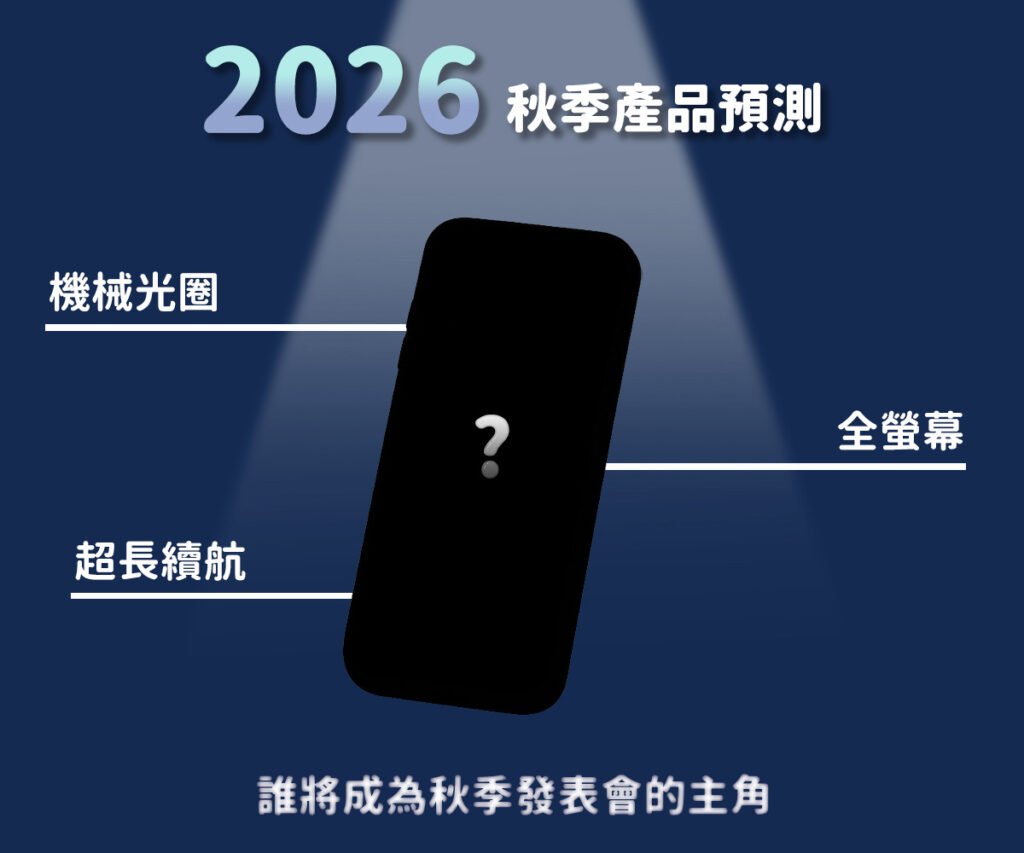
| iPhone 18 Pro Max | 6.9 吋大螢幕、機械光圈鏡頭、超長續航 | $1,299 起 (約台幣41000) |
| iPhone Fold | 8 吋摺疊主屏、鈦金屬鉸鏈、全新操作模式 | $1,999 – $2,499 (約台幣60000-80000) |
| iPhone Air 2 | 第二代超薄設計、修復一代續航痛點 | $999 起 (約台幣31000) |
據傳 iPhone 18 Pro 系列將達成多年來的願望:螢幕下 Face ID。這意味著自 iPhone 14 Pro 以來的「動態島」設計將走入歷史,正面僅剩下一個極小的自拍鏡頭開孔,甚至可能實現完全隱形的視覺效果。這將是 iPhone 十年來最大的外觀革命。
蘋果預計在 18 Pro Max 上導入類似專業相機的「機械光圈」技術。這能讓手機在不同光線環境下手動調整進光量,並在人像拍攝時提供更自然的光學虛化(Bokeh),而非僅靠演算法類比。這對於已經飽和的手機攝影市場來說,是一次降維打擊。
對消費者的影響:換機邏輯的改變
如果你是習慣每兩年更換一次「標準版」的用戶,今年你將面臨一個尷尬的選擇:
- 向上升級: 為了體驗最新的 2nm 晶片與新設計,被迫多花 200-300 美金購買 Pro 或 Air 系列。
- 原地等待: 繼續使用 iPhone 17 或 iPhone 16,直到 2027 年春季標準版 18 問世。
- 擁抱摺疊: 挑戰史上最貴、但也最神祕的 iPhone Fold。
總結
「今年真的沒有 iPhone 18(標準版)」這句話背後,折射出的是智慧型手機市場進入極度成熟期後的焦慮與反思。蘋果不再滿足於逐年的「擠牙膏」式更新,而是試圖透過重組產品線,將 iPhone 重新定義為:
- Pro 系列: 極致效能與生產力工具。
- Air 系列: 科技與時尚的融合品。
- Fold 系列: 探索未來互動的實驗室。
- 標準與 e 系列: 穩定的生態入口。
這次罕見的大變局,是蘋果為了下一個十年的成長而進行的陣痛手術。雖然短時間內會讓習慣舊節奏的果粉感到困惑,但當 2026 年底我們回頭看時,或許會發現,這正是 iPhone 擺脫「平凡」、重新找回「驚喜感」的轉折點。
閱讀相關文章:升級 iOS 26 之後,手機好像被施了魔法?|那些讓人又愛又恨的系統 Bug 大集合
閱讀相關文章:開車時 CarPlay 又鬧脾氣?|iOS 26 更新後的車主崩潰實錄
延伸閱讀
Why There Is No Standard iPhone 18 in 2026
Since the iPhone 4s in 2011, Apple has consistently followed the rhythm of “updating the entire lineup every September.” However, according to the latest supply chain information and analyst predictions, the 2026 release schedule will undergo a fundamental change.
1. Standard Model Delayed to Spring 2027
Reports indicate that Apple plans to adopt a “high-end vs. low-end segmentation” strategy. In September 2026, Apple will focus entirely on its high-margin flagship models: the iPhone 18 Pro, iPhone 18 Pro Max, and the long-rumored iPhone Fold.
The originally scheduled “standard iPhone 18” is expected to be postponed until spring 2027, launching alongside the iPhone 18e (entry-level model) and the second-generation iPhone Air. This means that the standard iPhone 17 released in 2025 will remain the “latest base model” for a full 18 months.
2. The “Aftershock” Effect of the iPhone 17 Air
The groundwork for this change was laid back in 2025. At that time, Apple released the ultra-thin iPhone 17 Air (also called iPhone Slim). Although its hardware specifications were not top-of-the-line, its stunning industrial design completely disrupted the original four-model lineup of Standard, Plus, Pro, and Pro Max.
Because the iPhone 17 Air achieved unexpectedly strong market success, Apple realized that consumers’ demand for “unique designs” had gradually surpassed the need for “routine hardware upgrades.” To give this new product category room to breathe, delaying the standard model update became a sensible business decision.